
Eating Disorder Awareness Week 2026: Every BODY Belongs. Not One More
National Eating Disorders Association has named this year’s Eating Disorder Awareness Week theme “Every BODY Belongs.” The message is simple and powerful: eating disorders affect people across all ages, sizes, races, genders, and backgrounds — and everyone deserves access to care, dignity, and recovery.
At the same time, National Alliance for Eating Disorders is closing the week with its annual “Not One More” campaign — a call to ensure not one more life is lost, not one more child is taken, and not one more family is left navigating this illness alone.
These two messages belong together.
Belonging without access is incomplete.
Awareness without action is insufficient.
This week is an invitation to hold both.
Every BODY Belongs
Eating disorders do not have a “look.”
They affect people in larger bodies and smaller bodies.
They affect adolescents, parents, professionals, athletes, and retirees.
They affect people of every race, gender identity, sexual orientation, and socioeconomic background.
And yet, stigma and misinformation still determine who gets believed, who gets diagnosed, and who gets referred for appropriate care.
Too often:
Individuals in higher-weight bodies are praised for weight loss that is actually driven by disordered behaviors.
Men and boys are overlooked because eating disorders are still stereotyped as a “female issue.”
People of color face delayed diagnosis due to bias and underrepresentation in research.
Perinatal clients struggle in silence because restrictive eating, compulsive exercise, or body distress are normalized during pregnancy and postpartum.
High-achieving adults are labeled “disciplined” rather than recognized as struggling.
If every body belongs, then every body deserves to be taken seriously.
Belonging means:
Being screened even if you do not appear underweight.
Having medical concerns addressed regardless of BMI.
Receiving care that does not shame your body.
Being supported in recovery without being told you must look a certain way to qualify for help.
The Scope Is Larger Than Many Realize
Approximately 30 million Americans will experience an eating disorder in their lifetime. These illnesses have one of the highest mortality rates of any mental health condition.
And yet, many individuals never receive treatment.
Barriers include:
Cost and insurance limitations
Limited specialized providers
Weight stigma within healthcare systems
Fear of not being “sick enough”
Shame and secrecy
The Alliance’s “Not One More” campaign directly funds free, therapist-led virtual support groups, expanding access to individuals and families across the country and globally. In 2025 alone, tens of thousands of participants accessed those groups.
Awareness matters. But funding, access, and early intervention save lives.
Why Early Intervention Matters
Eating disorders rarely begin as something that looks severe.
They often start with:
A diet.
A comment about weight.
A postpartum body change.
A desire to “get healthier.”
A need to regain control during a stressful season.
Without support, those behaviors can quietly escalate into rigid rules, obsessive thoughts, medical instability, and profound emotional suffering.
Early intervention:
Improves treatment outcomes
Reduces medical complications
Decreases chronicity
Restores functioning more quickly
You do not have to wait until things are catastrophic to seek support.
What Recovery Actually Requires
Recovery is not simply “eating more” or “stopping behaviors.”
It involves:
Nutritional rehabilitation
Medical monitoring
Psychological treatment
Addressing perfectionism, trauma, anxiety, and identity
Rebuilding trust with one’s body
Learning emotion regulation and distress tolerance skills
Repairing relationships with food and movement
Effective care is rarely siloed.
Collaborative, multidisciplinary treatment — including therapists, registered dietitians, and medical providers — provides the structure and accountability necessary for sustainable recovery.
Within our practice, we prioritize:
Comprehensive assessment
Ongoing coordination of care
Body-inclusive, weight-neutral approaches
Evidence-informed treatment modalities
Clear treatment planning and step-up referrals when higher levels of care are needed
Belonging also means being honest about intensity. Sometimes outpatient therapy is appropriate. Sometimes a higher level of care is protective. Ethical care means matching support to clinical need.
Stigma Is Still the Barrier
Even in 2026, we continue to see:
Clients apologizing for “not being that bad.”
Parents unsure whether to intervene.
Adults minimizing symptoms because they are still functioning.
Individuals believing they must reach a certain weight threshold to deserve help.
Eating disorders are not about vanity.
They are not about willpower.
They are not solved by compliments.
They are complex biopsychosocial illnesses requiring compassion, structure, and skillful intervention.
Challenging stigma requires more than reposting statistics. It requires examining how diet culture, weight bias, and systemic inequities show up in our healthcare systems, schools, families, and workplaces.
Not One More
“Not One More” is both a plea and a commitment.
Not one more life lost.
Not one more person dismissed.
Not one more family navigating this alone.
Not one more delay in care because someone does not “look” sick.
When we say every body belongs, we are also saying every body is worth protecting.
If You Are Struggling
If food, weight, exercise, or body image are occupying more space in your mind than you would like…
If meals feel stressful or chaotic…
If guilt, shame, or fear are shaping your relationship with your body…
You are not alone.
And you do not have to reach a crisis point to reach out.
Support is not reserved for the most severe cases. Early support is powerful.
If You Are a Parent or Partner
Trust your observations. Subtle changes matter. Increased rigidity, secretive behaviors, mood shifts around meals, withdrawal, or sudden body dissatisfaction deserve attention.
Intervening early is protective, not dramatic.
If You Are a Clinician
Screen routinely.
Do not rely on appearance.
Collaborate.
Refer when appropriate.
Continue educating yourself on weight bias and inclusive care.
Moving Forward
Awareness weeks come and go. The work continues long after the hashtags fade.
This week, let’s hold both truths:
Every BODY Belongs.
Not One More.
Belonging demands access.
Compassion demands action.
And recovery is possible — with the right support.
Continuing Education for Clinicians
Eating Disorders 101: An introduction to the serious but treatable mental and physical illnesses known as eating disorders — 2 CEUs
2-hour Online, On Demand CE training - an introduction to the serious but treatable mental and physical illnesses known as eating disorders
Customers receive a secure link to the file lasting 24 hours after the first download.
Copy of presentation slides provided.
Brief Introduction
National surveys estimate that 20 million women and 10 million men in America will have an eating disorder at some point in their lives. Many of those who struggle with eating disorders have a co-occurring condition, such as anxiety, substance use, obsessive-compulsive disorder, depression, or post-traumatic stress disorder. Many individuals present to their care providers with numerous physical complaints and complications. Eating disorders have the second highest mortality rate of all mental health disorders, surpassed only by opioid use disorder.
Given the statistics and data we have on eating disorders, if you are a mental or physical health care provider, it is likely you are working with individuals who struggle with eating disorders.
Learning Objectives
Following this 2-hour CE event, attendees will be able to:
Identify the major eating disorder classifications and their diagnostic criteria as identified in the DSM-5
Identify sub-clinical disordered eating behavior
Identify the etiology (causes) of eating disorders
Name common co-morbidities
List medical complications of eating disorders
Name eating disorder assessment tools
Name eating disorder levels of care
Recognize when to refer
Name resources for furthering education in eating disorders
About the presenter
Chelsea Fielder-Jenks, MA, is a Licensed Professional Counselor-Supervisor (LPC-S) and Certified Eating Disorders Specialist-Supervisor (CEDS-S) in private practice in Austin, Texas. Chelsea works with individuals, families, and groups utilizing Cognitive Behavioral Therapy, Dialectical Behavior Therapy, and EMDR frameworks. In addition to her clinical work, she also provides supervision, consultation, and training services. She is a member of The International Association Of Eating Disorders Professionals (IAEDP) where she has earned the designation of CEDS-S due to her extensive experience with eating disorders. She has served as the Education Chair for two non-profit organizations, Central Texas Eating Disorder Specialists and the Association for Size Diversity and Health. She is an expert contributor for Eating Disorder Hope and Addiction Hope. She has vast experience working with adolescents, families, and adults who struggle with eating, substance use, and various co-occurring mental health disorders and has presented at regional, state, and national conferences. You can learn more about Chelsea and her private practice at HealgoodCounseling.com.
Important Notices
2 CEUs will be provided. LPCs, LCSWs, LMFTs, Psychologists, MDs, RDs and other licensed professionals may receive CEUs, if the following meets your licensing board requirements: In order to meet board CE requirements, Chelsea Fielder-Jenks, LPC-S, CEDS-S will monitor attendance, keep presenter CVs or resumes on file (as a way to ensure the presenter has the necessary knowledge and experience), provide evaluations for the CE event, and provide a CE certificate providing proof of attendance. With that, it is the responsibility of the attendee to check with their licensing board rules to ensure this event meets their board's CE requirements. In order to receive a CE Certificate, you will need to attend the full event (no partial CEs available) and complete an evaluation of the event.
*On Demand, Online Event
This event is a recording of a previous live event. Due to the online, on-demand nature of this event, live participation is not available.
*Once purchased, NO REFUNDS will be given.

DETAILS
The perinatal period (from the time of pregnancy and in the first year postpartum or post childbirth), leaves many pregnant individuals vulnerable to developing or exacerbating an eating disorder or returning to previous eating disorder behaviors after a period of remission or recovery.
Note: Pregnancy and parenting are not gender or sex exclusive. Throughout this training, you will see language that leaves room for many different birth experiences and outcomes. Importantly, the language used in the cited literature refers to the participant populations as identified by the researchers who conducted the studies. All people who identify with pregnancy and parenting can be affected by mental health conditions during the perinatal period regardless of gender, sex, or sexual orientation.
This course helps clinicians and health professionals identify eating disorders in the perinatal period, more specifically - the course learning objectives include:
Learning Objectives
1. Identify eating disorder signs and symptoms
2. Identify the major eating disorder classifications and their diagnostic criteria as identified in the DSM-5
3. Identify eating disorder assessments and screening tools
4. Recognize how pregnant and postpartum women may be struggling with eating disorders
5. Identify the etiology (causes) of eating disorders
6. Name common co-morbidities
7. List medical complications of eating disorders, including those complications unique in the perinatal period
8. Name eating disorder levels of care
9. Recognize when to refer
10. Name resources for furthering education in eating disorders
3 CEUS Provided
Includes: Digital Download - Access to 3-hour CE video presentation, copy of slides reviewed during presentation, slides include instructions to view the presentation online as well as on how to complete the online evaluation and download your continuing education certificate. Customers receive a secure link to the file lasting 24 hours after the first download.
Presented by: Chelsea Fielder-Jenks, LPC-S, PMH-C, CEDS-S
Chelsea Fielder-Jenks is a Licensed Professional Counselor-Supervisor (LPC-S), Perinatal Mental Health Certified (PMH-C) therapist, and Certified Eating Disorders Specialist-Supervisor (CEDS-S) and founder of Healgood Holistic Counseling Center in Austin, Texas. She works with individuals, families, and groups, primarily utilizing Cognitive Behavioral Therapy and Dialectical Behavior Therapy frameworks with a non-judgmental and relational approach. In addition to her clinical work, she provides supervision, consultation, and training services.
IMPORTANT DETAILS & NOTICES
*Important CE Info
3 CEUs will be provided. To learn more about how CEUs are provided, LPCs read here, LCSWs read here, and LMFTs read here. RDs and other licensed professionals may also receive CEs, if the following meets your licensing board requirements: In order to meet board CE requirements, Chelsea Fielder-Jenks, LPC-S, CEDS-S, PMH-C will monitor attendance, keep presenter CVs or resumes on file (as a way to ensure the presenter has the necessary knowledge and experience), provide evaluations for the CE event, and provide a CE certificate providing proof of attendance. With that, it is the responsibility of the attendee to check with their licensing board rules to ensure this event meets their board's CE requirements. In order to receive a CE Certificate, you will need to attend the full event (no partial CEs available) and complete an evaluation of the event.
*IMPORTANT INFORMATION REGARDING CANCELLATION, NON-ATTENDANCE, & REFUNDS: NO REFUNDS will be given regardless of cancellation or non-attendance.
Objectives
This self-paced, online continuing education course is designed to support healing professionals across disciplines (mental health, medical, allied health, dietetics, fitness, bodywork, and beyond) in developing Size Diversity Competency.
Participants will move through four core stages of competency development:
Awareness
Education and analysis
Action
Accountability
The healing arts and sciences have historically been a primary source of sizeism, contributing to harmful health outcomes and creating barriers to care. As professionals, we hold an ethical responsibility to examine these systems, expand our understanding, and actively reduce size-based bias and discrimination in our work.
Through engagement with the accompanying workbook, participants will work toward the following learning objectives:
Identify at least three reasons why size diversity competency is an ethical responsibility in helping professions
Define key terms related to size diversity and weight stigma
Recognize and critically examine common health myths
Increase awareness of personal implicit size bias
Identify at least three actionable ways to move toward a size-inclusive practice
…and more.
Required Material
This course requires a separate purchase of the Size Diversity Competency Digital Download Workbook, which serves as the primary learning tool for this training.
Purchase here:
https://www.healgoodcounseling.com/resources/p/sizediversitycompetency
Through reading, reflection questions, guided exercises, and written integration, the workbook supports completion of course objectives and CE requirements.
About the Course
This self-study course provides a total of 9 CEUs:
6 Ethics CEUs
3 Distinct Populations CEUs
Designed for helping professionals (including LPCs, LCSWs, psychologists, dietitians, and related fields), this course is delivered as a structured PDF experience rather than a video training.
Participants will be guided step-by-step through the four stages of competency development and required components to earn a CE certificate.
Format + Use
Format: Digital PDF Download
Use: Individual use only
This purchase provides access to the course structure and CE opportunity only. It does not include the required workbook, consultation, supervision, or additional training services.
For group use or organizational access, please inquire.
Important Notice
This course is intended for educational purposes only.
Participation does not establish a therapeutic, supervisory, or consulting relationship with Healgood Holistic Counseling Center or Chelsea Fielder-Jenks, LPC-S, CEDS-C, PMH-C.
No individualized clinical, supervisory, or consultation services are provided in connection with this course.
This resource is licensed for individual use only. Redistribution or sharing without written permission is not permitted.
For permissions, please contact us.
Continuing Education Information
This course offers 9 CEUs (6 Ethics, 3 Distinct Populations).
All offerings are structured to align with continuing education requirements for Texas BHEC licensees. For LPCs and LMFTs, activities are designed to meet the BHEC 50% approved provider requirement. Social Work and Psychology licensees may be able to apply these hours as non-approved provider CE, in accordance with board guidelines.
While this course is designed with licensure standards in mind, requirements may vary or change. Participants are responsible for verifying eligibility with their licensing board.
To support CE eligibility, Healgood Holistic Counseling Center:
• Maintains presenter qualifications (CV/resume) on file
• Provides a structured educational activity
• Requires completion of an evaluation and course requirements
• Issues a certificate of completion upon verification
To receive a CE certificate, participants must:
• Complete all required components of the course
• Submit the required evaluation
Partial credit is not available.
On-Demand Format
This is a self-paced, on-demand course designed for flexible learning. There is no live component.
Refund Policy
All purchases are final and non-refundable. Due to immediate access to downloadable materials, refunds cannot be issued.
Questions
For questions or support, please contact us.
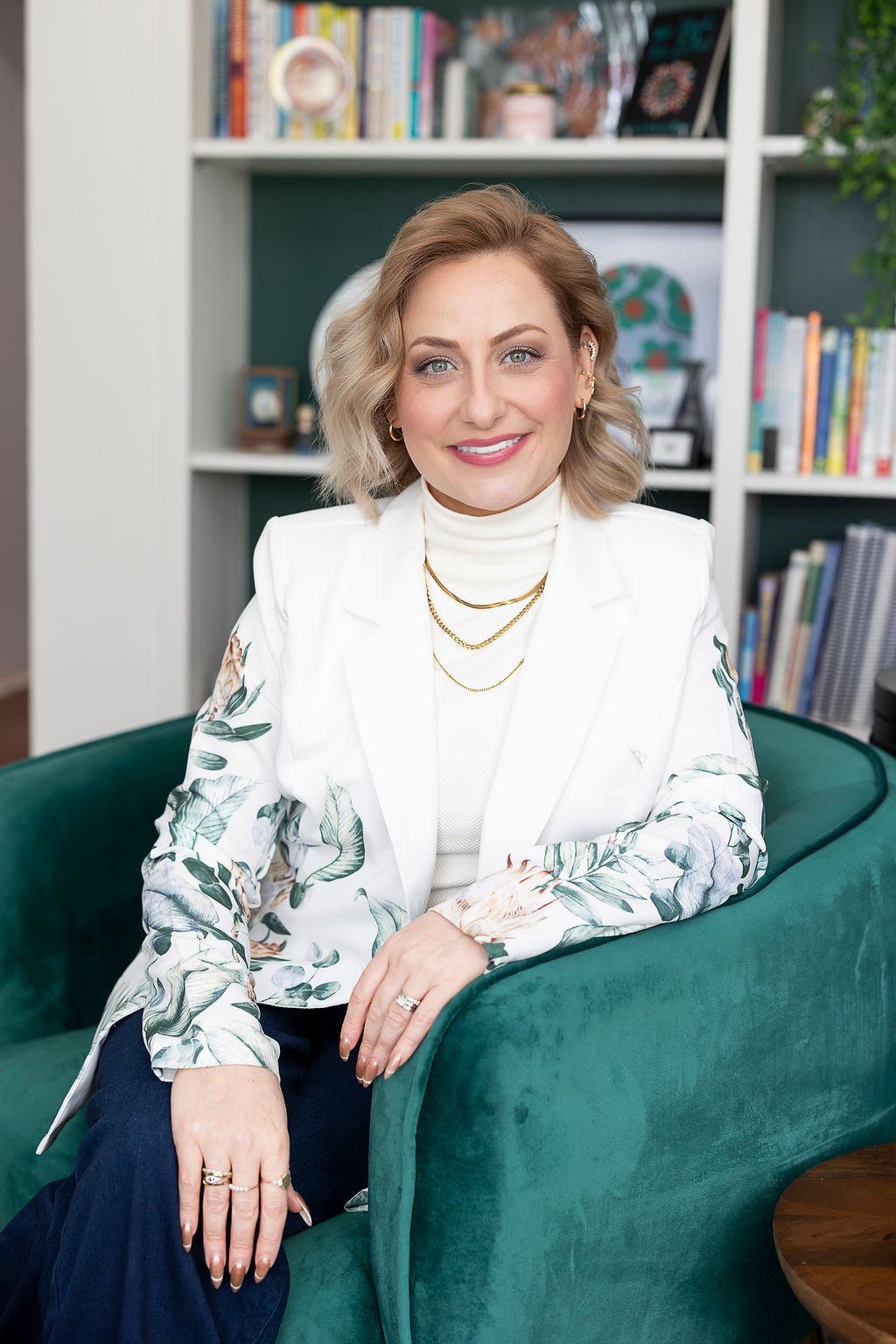
Chelsea Fielder-Jenks, LPC-S, CEDS-C, PMH-C
Founder & Clinical Director, Healgood Holistic Counseling Center
Chelsea is a Certified Eating Disorder Specialist and educator who provides therapy, supervision, and professional training focused on ethical, multidisciplinary, and size-inclusive treatment. She believes every body deserves access to competent, compassionate care.
References
Gaudiani, J. L. (2018). Sick enough: A guide to the medical complications of eating disorders. Routledge.
Levine, M. P., & Smolak, L. (2016). The role of protective factors in the prevention of negative body image and disordered eating. Eating Disorders, 24(1), 39–46. https://doi.org/10.1080/10640266.2015.1113826
National Alliance for Eating Disorders. (2026). Not One More: Eating Disorders Awareness Week initiative. https://www.allianceforeatingdisorders.com
National Eating Disorders Association. (2026). Eating Disorders Awareness Week: Every BODY Belongs. https://www.nationaleatingdisorders.org
Treasure, J., Duarte, T. A., & Schmidt, U. (2020). Eating disorders. The Lancet, 395(10227), 899–911. https://doi.org/10.1016/S0140-6736(20)30059-3
Uniacke, B., & Walsh, B. T. (2022). Eating disorders. Annals of Internal Medicine, 175(8), ITC113–ITC128. https://doi.org/10.7326/AITC202208160